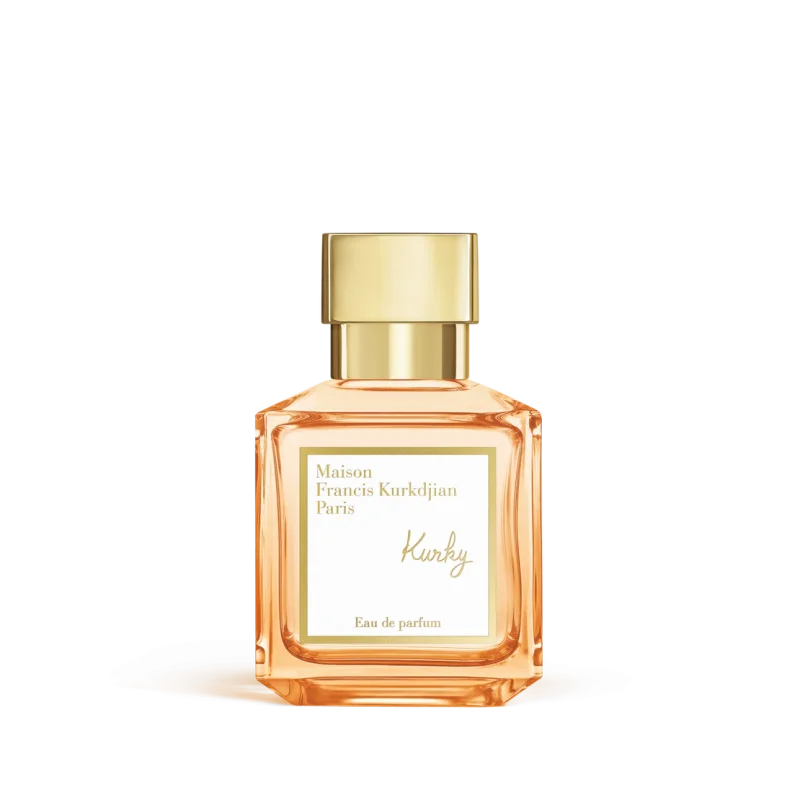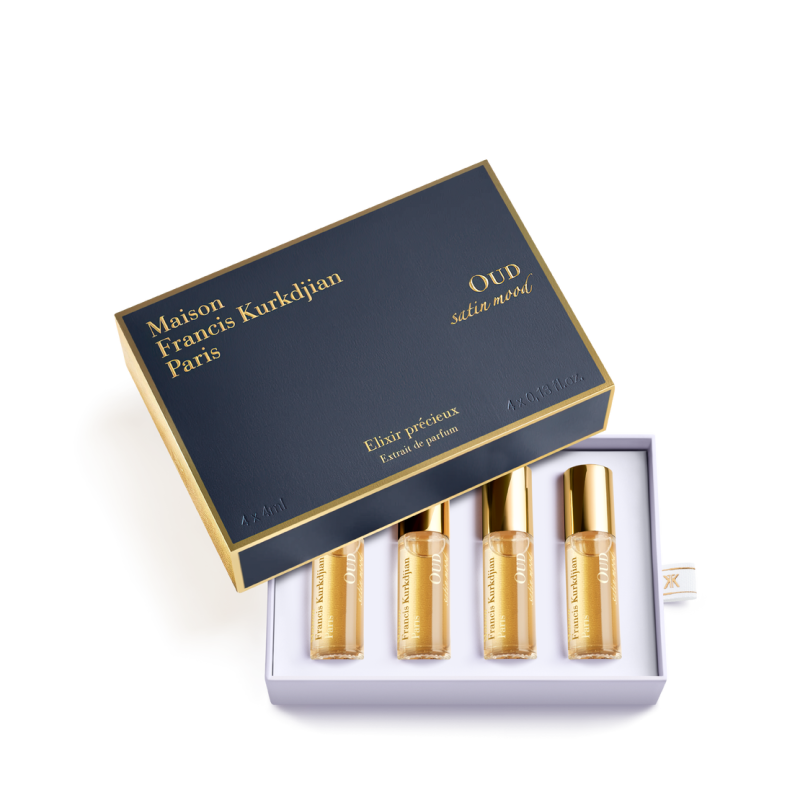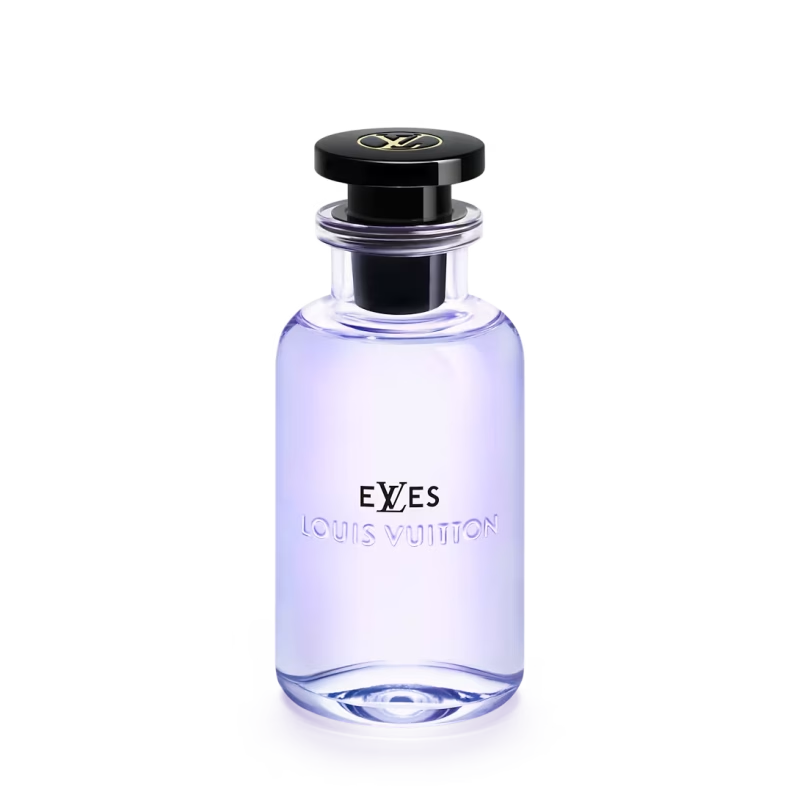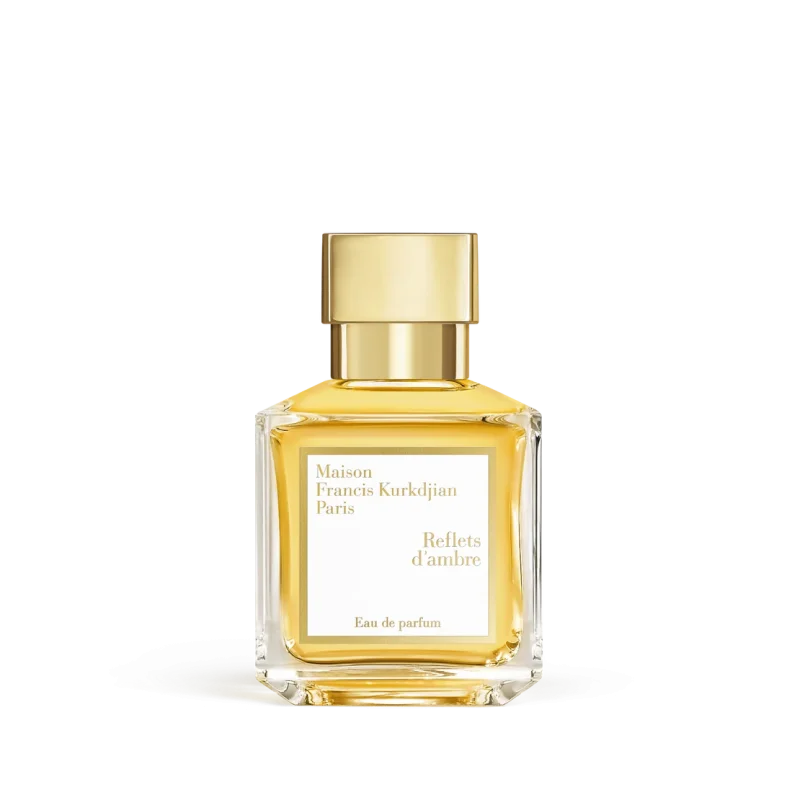
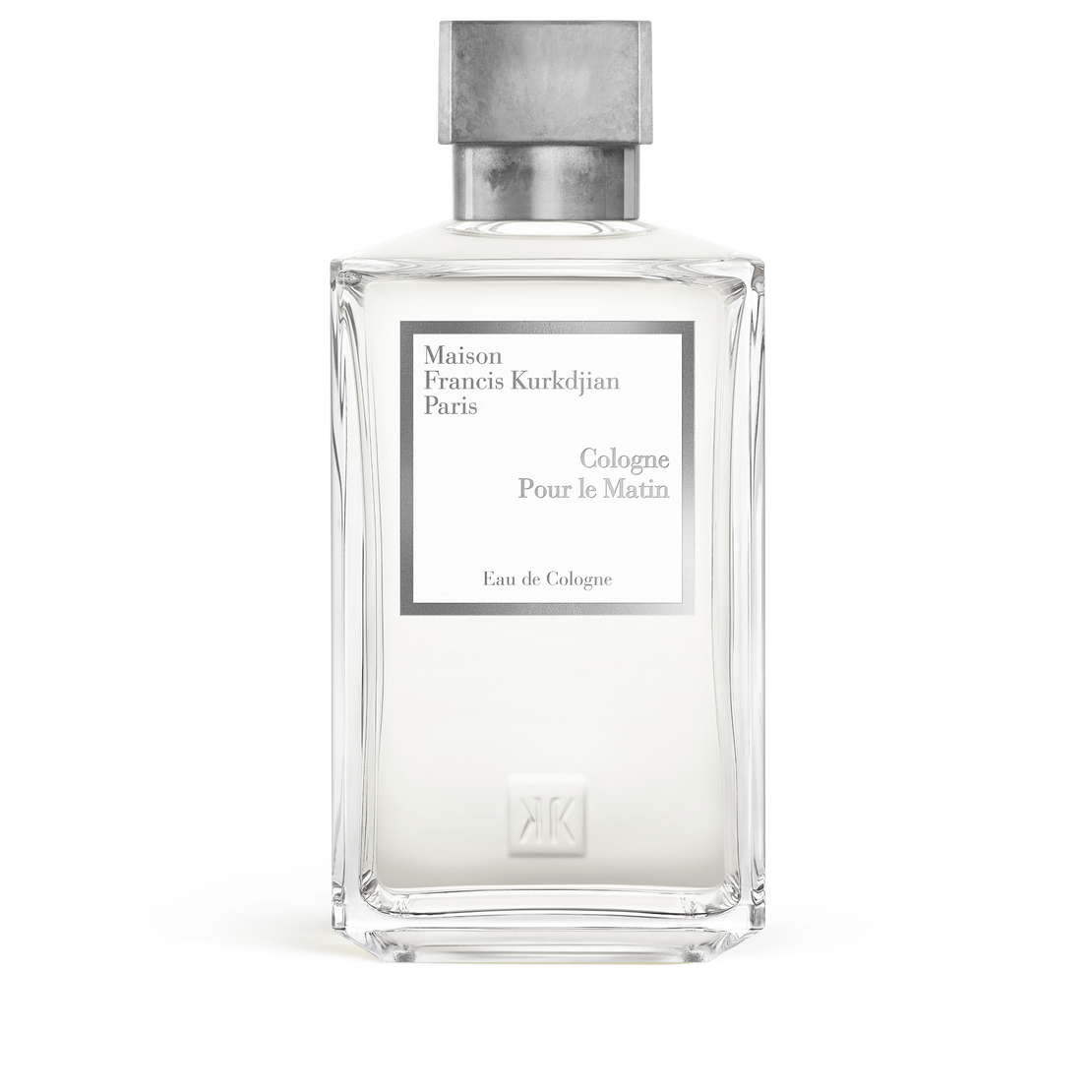
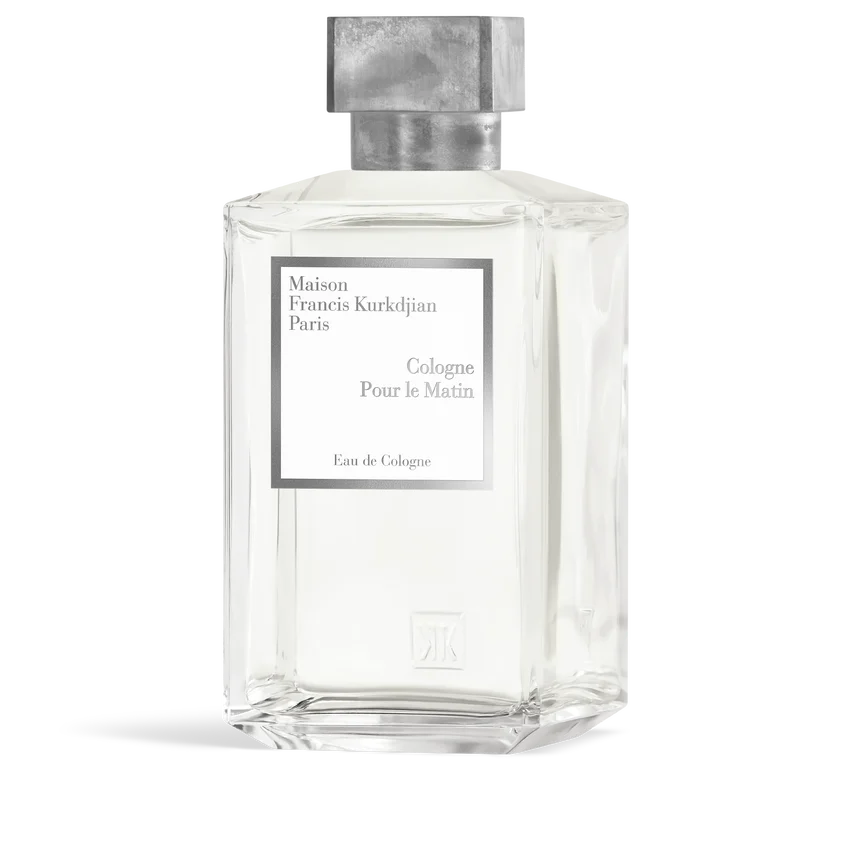
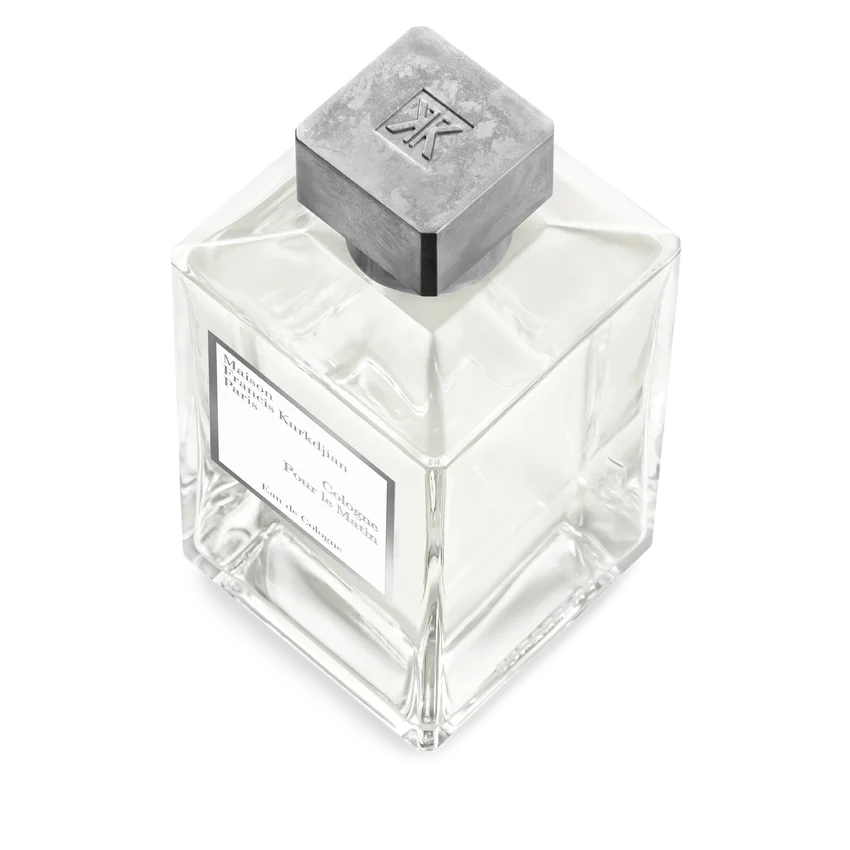
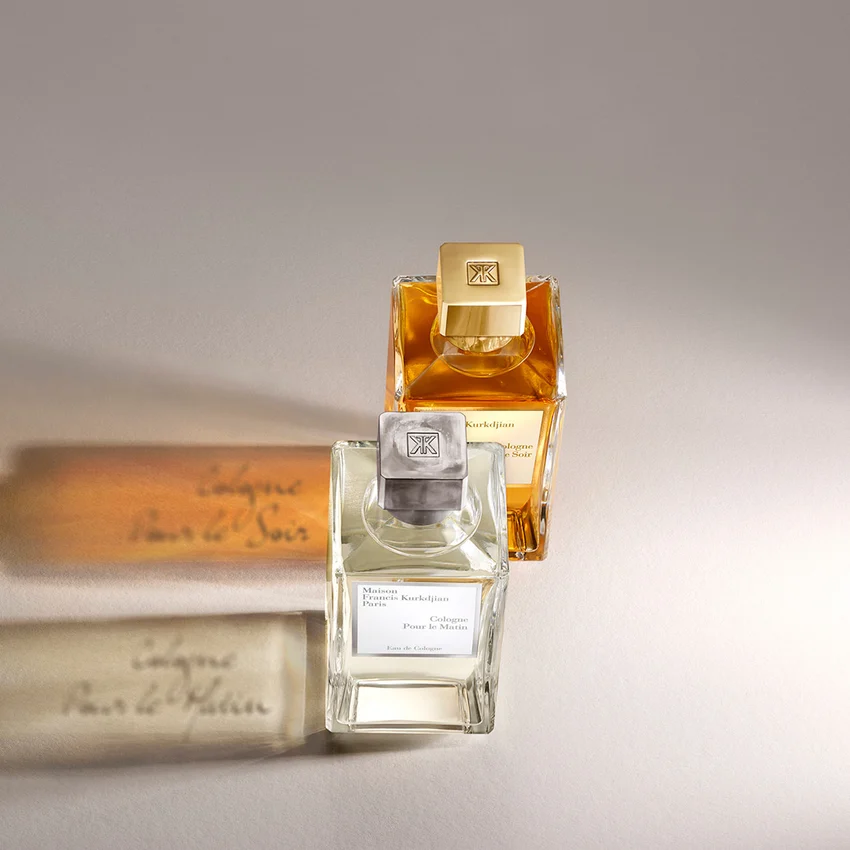
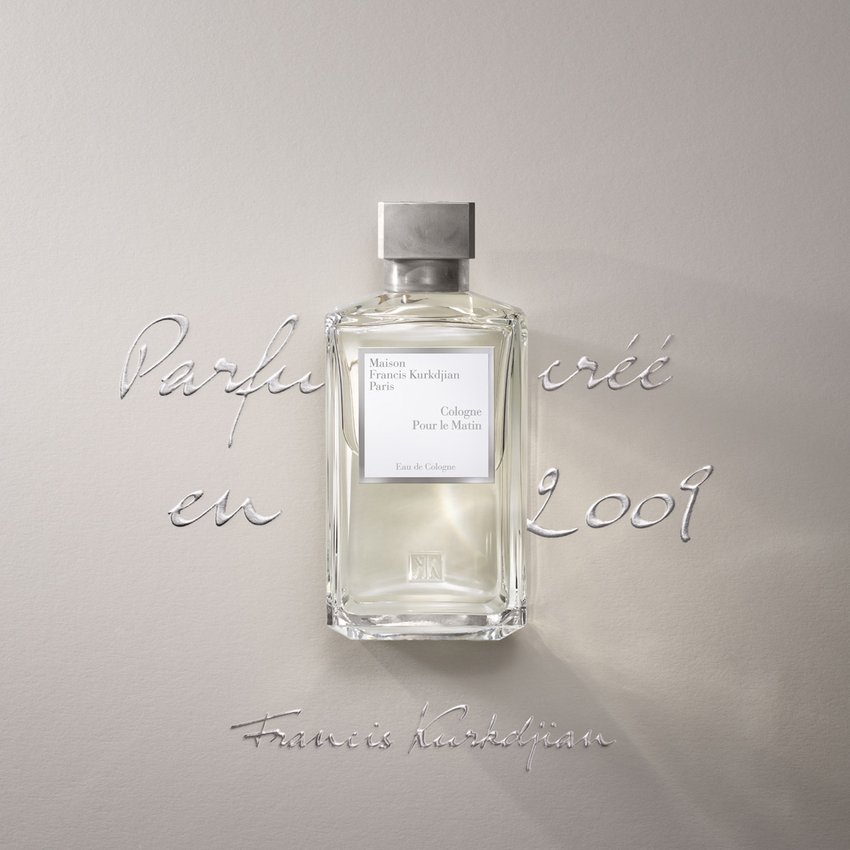
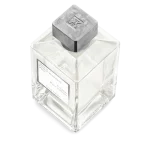
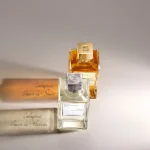
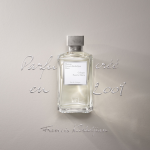
Cologne Pour le Matin. The freshness of the sun cresting over the horizon, the promise of a radiant day ahead. A cozy pillow misted with aroma. Lavender, thyme, rosemary: a floral, leafy ballet that unfurls at the lightest touch. The fragrance hovers in the air, a distillation of aromatics and the morning dew. The scent of waking up slowly, one of those quiet joys like the feeling of cool grass underfoot.
 Citrus
Powdery Woody Accord
In perfumery, white thyme is notably used (named so because its flowers are white), a very resilient plant that grows in the sun around the Mediterranean. Thymus Mastichina belongs to the botanical family Lamiaceae, a very important family that includes lavenders, sages, and rosemaries. Its essence is obtained through steam distillation of its stems and leaves. It possesses an intense aromatic scent with herbaceous, spicy, and medicinal facets.
The lemon tree was introduced to the Mediterranean basin during the Crusades in the Middle Ages. Today, the regions of Calabria and Sicily in southern Italy are the main suppliers for perfumery. Its oil is obtained by cold expression of its peel using mechanical processes. Its bright color announces its joyful fragrance, with green, zesty, rising top notes. Its crisp, lively effect is often found in men’s colognes and eaux fraîches. It also gives a beautiful lift to floral sillages.
Despite its readily identifiable and popular perfume, the violet is a mute flower, as it is impossible to extract its perfume naturally. Only the leaves and stems can be used for extraction. The green scent of spicy cucumber they exude is antithesis to the flower’s scent. To reproduce the fruity, gourmand and slightly woody fragrance of its petals, Francis Kurkdjian uses odorous molecules called Ionones (ionos means purple in Greek), discovered and made available to perfumers at the end of the 19th century. In feminine perfumery, the violet lends a powdery facet or a gustatory sensation that blends beautifully with rosy notes. Its green facet is widely used in men’s fragrances.
There are several ways to process the Citrus Aurantium flower. By volatile solvent extraction to obtain the orange blossom absolute, or by steam distillation for the orange blossom oil. But beware, connoisseurs know it well: we don’t speak of orange blossom oil but of neroli oil, since the Princess of Nerola, enraptured by its fragrance, brought it into fashion at the time of French king Louis XIV. The absolute is used for middle and base notes, with solar floral overtones, in turn fresh or heady, honeyed and animalic. Neroli oil has much more citrusy and green floral inflections, used in the top and heart notes of a fragrance. It is often associated with the smell of sun-dried sheets and flavored madeleines.
INGREDIENTS: ALCOHOL; PARFUM (FRAGRANCE); AQUA (WATER/EAU); CITRUS AURANTIUM BERGAMIA (BERGAMOT) PEEL OIL; LIMONENE; CITRUS LIMON (LEMON) PEEL OIL; LINALYL ACETATE; LINALOOL; LAVANDULA OIL/EXTRACT; PINENE; GERANIOL; CITRONELLOL; BUTYL METHOXYDIBENZOYLMETHANE; HEXYL CINNAMAL; CITRUS AURANTIUM FLOWER OIL; DIETHYLAMINO HYDROXYBENZOYL HEXYL BENZOATE; CITRAL; BETA-CARYOPHYLLENE; TERPINEOL; GERANYL ACETATE; CAMPHOR; ISOEUGENOL; TERPINOLENE; ALPHA-TERPINENE; FARNESOL; METHYL 2-OCTYNOATE; ALPHA-ISOMETHYL IONONE. – 2F206
WARNING: THE INGREDIENTS THAT ENTER IN THE COMPOSITION OF THE MAISON FRANCIS KURKDJIAN PRODUCTS ARE REGULARLY UPDATED. BEFORE USING A MAISON FRANCIS KURKDJIAN PRODUCT, PLEASE READ THE INGREDIENT LIST ON ITS PACKAGING TO ENSURE THAT THE INGREDIENTS ARE SUITABLE FOR YOUR PERSONAL USE.
PRECAUTION FOR USE: THIS PRODUCT CONTAINS NATURAL EXTRACTS. THE PRESENCE OF SUSPENDED PARTICLES OR COLOR VARIATIONS DO NOT ALTER ITS QUALITY IN ANY WAY. PROTECT FROM DIRECT LIGHT AND SOURCES OF HEAT.